Danish Fibres has received funding through MADE, with funding provided by Virksomhedsudvikling Danmark, for a new development project carried out in collaboration with the Danish Technological Institute.
The project, “Circular aramid fibres for robust and green production”, focuses on strengthening future supply chains through better utilisation of existing resources and a stronger local anchoring of material flows.
Bringing supply chains closer
In a time, characterised by uncertain global supply chains, there is an increasing need to rethink how supply is organised.
The project explores how companies can reduce dependency on global deliveries by working with shorter and more stable supply chains, with a particular focus on resources within Denmark and the EU.
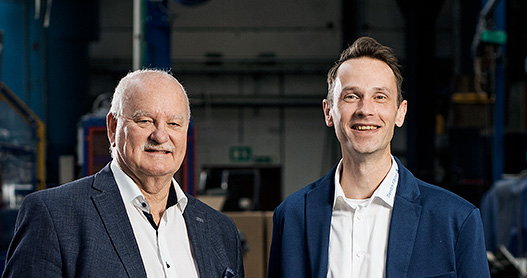
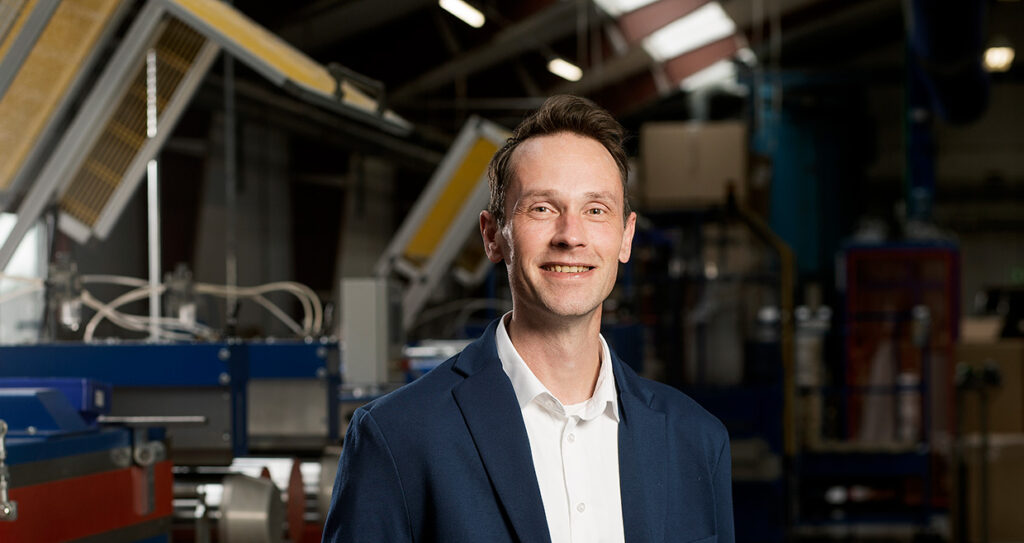
“We see strong potential in working with resources closer to home. This benefits all parties involved and contributes to greater stability as well as a more sustainable way of thinking about supply.”
– David Etzerodt, Sales Manager, Danish Fibres
When surplus materials become a resource
A central part of the project is to investigate how aramid-based surplus materials from industry – which are currently typically destroyed – can be processed and reused as a valuable resource in Danish Fibres’ own production.
By developing procedures for reprocessing and recycling aramid, the ambition is to bring these materials back into the production loop. This represents a circular approach with significant savings in both resources and environmental impact.
Economics and climate go hand in hand
The project addresses both economic and environmental perspectives.
By reducing the need for imports and increasing the use of materials sourced within Denmark, the aim is to:
- ensure reliable supply
- reduce overall costs
- lower the carbon footprint
Initial calculations indicate a considerable potential: part of the material consumption can be replaced with reprocessed surplus materials, leading to significant reductions in material costs while also contributing to a markedly lower environmental impact.
At the same time, the project supports a broader agenda of circular resource utilisation in Danish industry.
Collaboration across competencies
The project is carried out in collaboration between Danish Fibres and the Danish Technological Institute, with support from MADE.
Danish Fibres contributes insights into production, applications and market requirements, while the Danish Technological Institute supports the project with expertise in material analysis, reprocessing and technical documentation.
A step towards circular supply
The project is currently in its initial phase and will run until 2027.
The objective is clear: to turn existing surplus materials into valuable resources in future supply chains.